Male-to-Female Gender Reassignment Surgery in Thailand: How Thailand Became a Global Leader in Feminine and Natural Results
Over the past several decades, Thailand has become one of the most recognized destinations in the world for male-to-female (MTF) gender reassignment surgery, also known as gender-affirming surgery. Every year, thousands of international patients travel to Thailand seeking surgical outcomes that are not only safe and functional, but also aesthetically feminine and natural-looking.
Thailand’s global reputation did not happen by chance. It is the result of early adoption, continuous refinement of surgical techniques, and systematic knowledge transfer that has shaped the country into a center of excellence for transgender healthcare. This article explores how Thailand developed this reputation, why international patients choose the country in large numbers, and what makes Thai surgical outcomes particularly well regarded worldwide.
The Early Foundations of Gender Reassignment Surgery in Thailand
Thailand’s involvement in modern male-to-female surgery began earlier than many people realize. In the mid-1970s, gender reassignment surgery was introduced into the country’s academic medical system. At that time, only a handful of countries worldwide were performing such procedures, and social understanding of transgender identity was still limited.
Despite cultural and societal challenges, Thailand became one of the first countries in Asia to develop practical surgical experience in this field. Early procedures were performed in university hospitals, where surgeons approached gender reassignment surgery as a reconstructive and anatomical challenge, not simply a cosmetic one.
This early start gave Thailand something extremely valuable: time. While many countries were still debating ethics, legality, or medical frameworks, Thai surgeons were already accumulating hands-on experience, learning from complications, and improving outcomes year after year.
From Individual Cases to a Surgical Discipline
As case numbers increased, male-to-female surgery in Thailand evolved from isolated procedures into a defined surgical discipline. Surgeons began to systematize their approaches, focusing on:
- genital anatomy reconstruction
- preservation of sensation
- functional urinary outcomes
- long-term durability
- external appearance consistent with typical female anatomy
Over time, this led to the development of specialized techniques tailored specifically for male-to-female patients, rather than adaptations borrowed from other surgical fields.
One of the most important shifts during this period was the recognition that aesthetic detail matters deeply to transgender women. Patients were not only seeking surgical completion, but also results that allowed them to feel comfortable, confident, and socially integrated in their daily lives.

Why Thai Surgical Results Are Often Described as “Naturally Feminine”
International patients frequently describe Thai surgical outcomes as looking “natural,” “soft,” or “typically female.” These descriptions are not marketing language alone—they reflect technical priorities embedded in surgical planning.
Key areas of emphasis include:
1. Vulvar Aesthetics
Significant attention is paid to labial shape, symmetry, proportion, and contour. Surgeons focus on creating external genital anatomy that aligns with common female anatomical variations, rather than exaggerated or simplified forms.
2. Clitoral Construction and Sensation
Techniques evolved to prioritize nerve preservation and anatomical positioning, with the goal of maintaining erotic sensation while achieving appropriate size and placement.
3. Tissue Utilization and Reconstruction
Rather than relying on a single method, Thai surgeons refined approaches to tissue use, selecting and combining available tissue in ways that improve texture, color match, and long-term appearance.
4. Scar Placement and Healing
Careful planning reduces visible scarring and supports more natural healing patterns, which is especially important for patient confidence after recovery. These refinements were not developed overnight. They emerged through decades of repetition, outcome analysis, and technique sharing within Thailand’s surgical community.
Knowledge Transfer and Technique Evolution
One defining characteristic of Thailand’s medical landscape is the culture of mentorship and technique transmission. Surgeons trained under earlier pioneers went on to refine methods, publish results, and teach subsequent generations.
This continuous transfer of knowledge created:
- consistency in baseline surgical quality
- shared standards for complication management
- collective improvement across multiple centers
As techniques evolved, results became more predictable, and patient satisfaction increased. This reliability played a major role in building international trust.
The Rise of Thailand as a Medical Tourism Destination
Thailand’s global reputation for male-to-female surgery cannot be separated from its broader role as a medical tourism hub.
Several factors contributed to this growth:
Cost Accessibility
Compared to many Western countries, surgical costs in Thailand are often significantly lower. This does not stem from reduced quality, but from differences in healthcare economics, labor costs, and private hospital structures.
International Patient Infrastructure
Thai hospitals and surgical centers developed systems specifically designed for foreign patients, including:
- multilingual staff
- coordinated pre-operative planning
- extended post-operative care
- recovery accommodation support
Hospitality and Recovery Environment
Thailand’s service culture, climate, and hospitality industry make long recovery stays more manageable for international patients, both physically and emotionally.
These factors transformed Thailand from a place where surgery was possible into a destination where the entire patient journey could be managed smoothly.
Scaling from Individual Surgeons to Specialized Centers
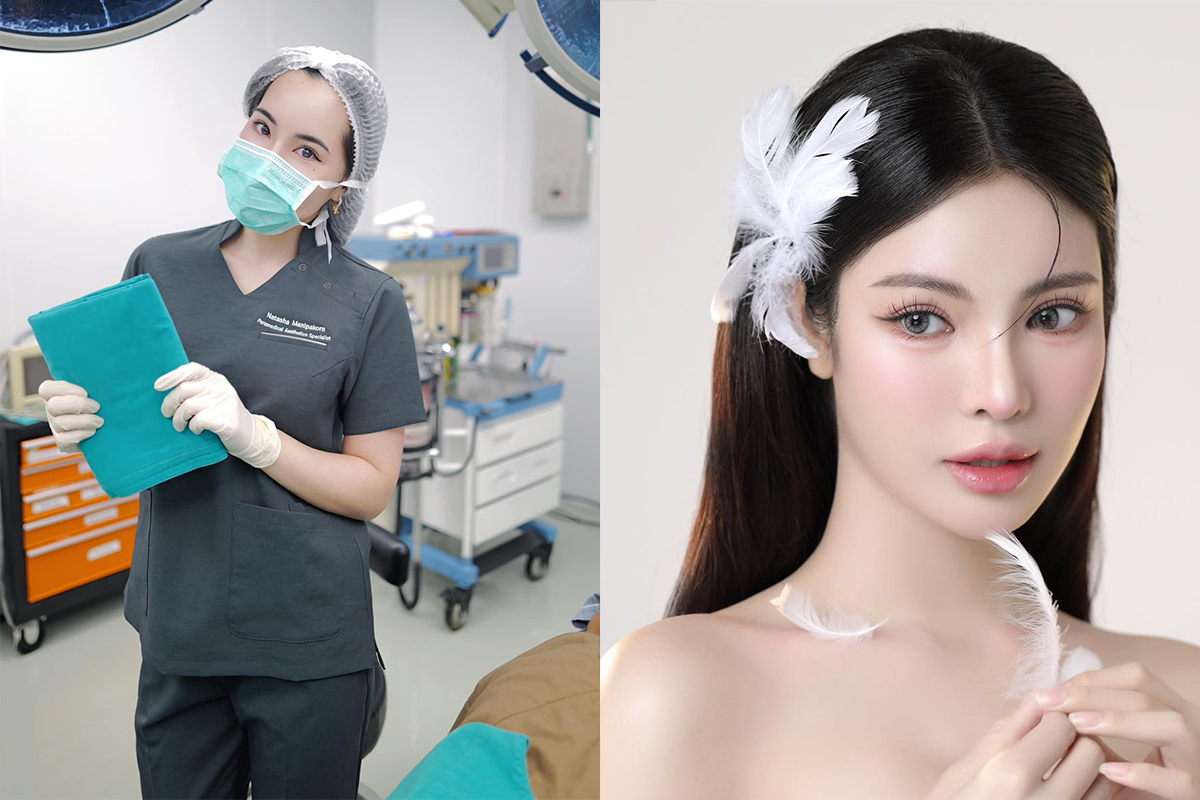
As international demand increased, the landscape shifted from reliance on individual reputations to the development of specialized hospitals and multidisciplinary teams.
These centers integrated:
- plastic and reconstructive surgery
- anesthesia and intensive care
- nursing teams experienced in transgender care
- structured follow-up and revision protocols
This institutional approach improved safety, reduced complications, and allowed clinics to manage high patient volumes without compromising standards.
For international patients, this evolution provided reassurance that they were entering a mature healthcare system rather than an experimental environment.
Why International Patients Continue to Choose Thailand
Today, patients from North America, Europe, Australia, and the Middle East continue to choose Thailand for male-to-female surgery because of a combination of factors:
- Long surgical history and experience
- Refined techniques focused on feminine aesthetics
- Predictable outcomes supported by high case volume
- Cost-to-quality balance
- Strong medical tourism infrastructure
Importantly, many patients also report feeling respected and understood in Thailand, where transgender identities have long been visible within society, even if broader social challenges still exist.
Conclusion for Male-to-Female Gender Reassignment Surgery in Thailand : A Reputation Built on Time, Skill, and System
Thailand’s position as a global leader in male-to-female gender reassignment surgery is the result of decades of development, not short-term marketing. Early adoption in the 1970s allowed surgical experience to compound over time. Continuous refinement improved both functional and aesthetic outcomes. Knowledge sharing created consistency. And a mature medical tourism ecosystem made advanced care accessible to the world.
For many transgender women, Thailand represents not just a place to undergo surgery, but a destination where medical expertise, aesthetic sensitivity, and patient-centered care converge.
Contact us